Padre Island is a year-round destination — the Gulf never freezes and the sun shows up in every month. But the experience changes a lot from season to season, and the difference between a packed spring-break beach and a near-empty November one is night and day. Here's what each part of the year actually feels like.
Spring (March–May): migration and spring break
Spring is a sweet spot for weather — warm days, swimmable water by late spring, and wildflowers inland. It's also peak birding, as the Central Flyway migration pours songbirds and shorebirds through the Coastal Bend. The catch: March brings spring-break crowds to the beaches and traffic to the Island, and drifting mats of sargassum seaweed can wash ashore on some spring and summer days.
Summer (June–August): the big one
Summer is high season — hot, humid, and busy, with the warmest water and the longest beach days. It's also the only time you can catch a Kemp's ridley sea turtle hatchling release, and the best stretch for the family beach-town energy of Port Aransas. Go early to beat both the heat and the parking, hydrate hard, and respect the strong midday sun.
Watch for jellyfish and man o' war
Warm-season winds can blow Portuguese man o' war and jellyfish onto the beach. Their sting still works even when they're stranded on the sand, so don't touch the blue 'balloons,' and check the local beach flags and forecasts before you swim.
Fall (September–November): the local's favorite
Ask people who live here and many will tell you fall is the best time to come. The summer crowds thin out, the Gulf stays warm well into October, and the fishing turns excellent as redfish and trout get active in the cooling Laguna Madre. The one caveat is the calendar: this is the back half of hurricane season, so keep an eye on the tropics when you plan.
Winter (December–February): mild and wide open
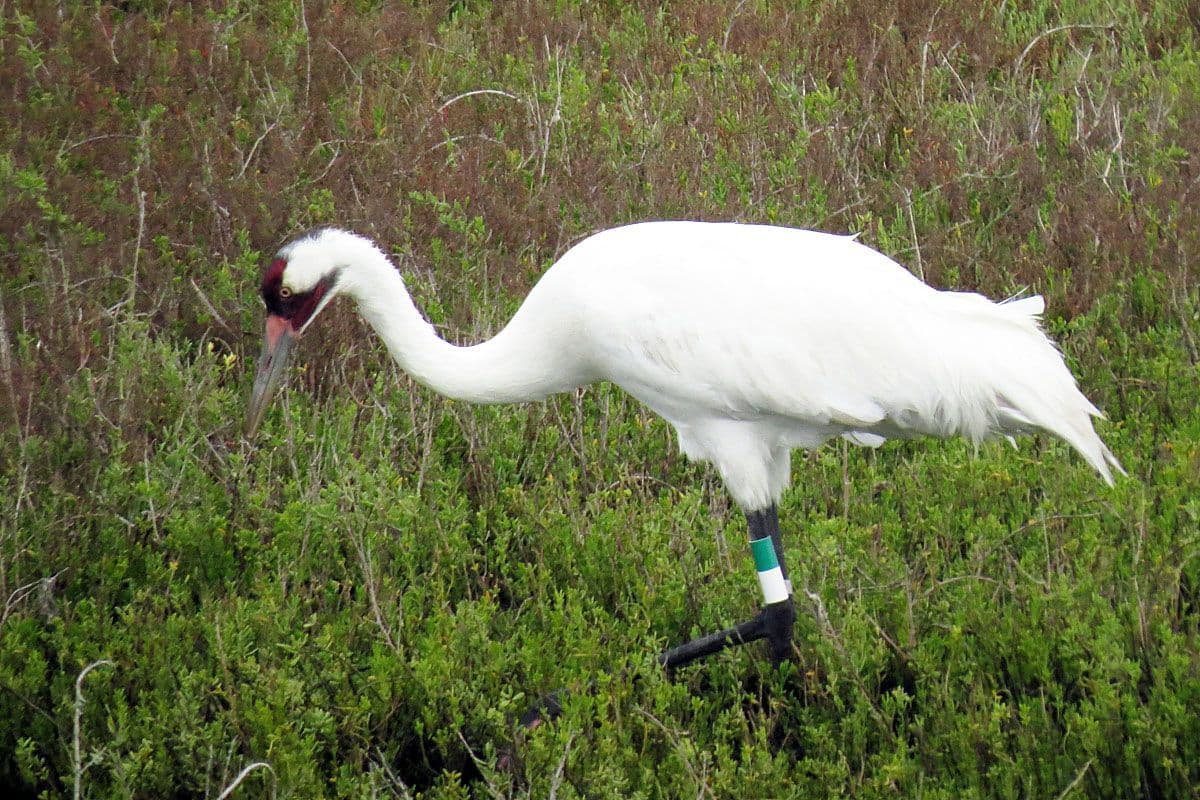
Coastal winters here are gentle — cool, breezy, and often sunny, with the occasional cold snap. The beaches are at their emptiest, prices soften, and 'Winter Texans' settle in for the season. It's prime time for wildlife: whooping cranes winter near Aransas from roughly November into spring, and the birding is superb. The water's too cold for most swimmers, but for long empty walks and photography it's hard to beat.
- Best weather + fewest hassles: late September through November
- Warmest water and turtle releases: June through August
- Birding and whooping cranes: late fall through early spring
- Lowest crowds and prices: midweek in winter
- Bring a windbreaker any month — it's breezier than you expect
There's no wrong season here, only different ones. Come in July for the turtles and the heat, or in November for the empty sand and the fish. Just don't expect the same island twice.
Found this useful? There's plenty more where it came from.
Browse all guides